 French
 German
 Italy
 Spain
 Mexico
 Portugal
 Brazil
 Argentina
 Poland
 Rusia
 Austria
 Arabic
 Ecuador
 Canada
 Norway
 Benin
 Sweden
 Croatia
 Japan
 Korean
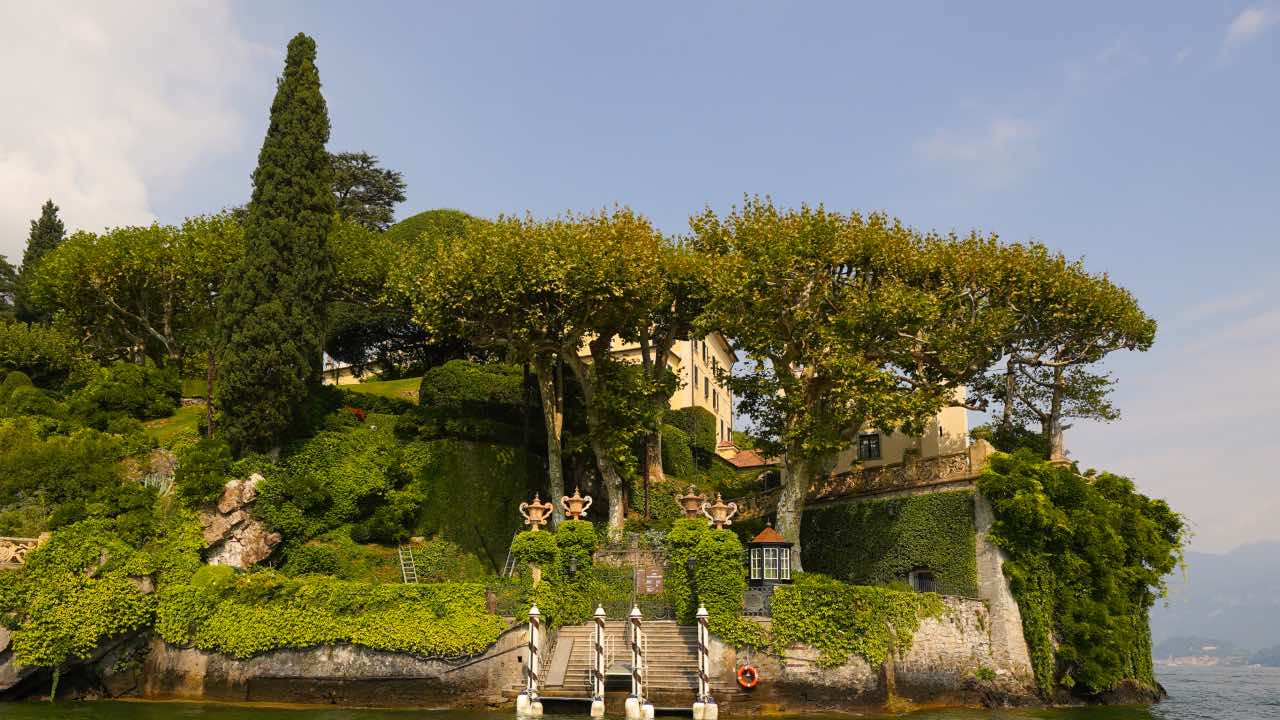
Experience four-star elegance and service

Dog Dolce Vita: Exploring Northern Italy
Dog Dolce Vita: Exploring Northern Italy
A Dog-Friendly Road Trip Through Lake Como, Parma & Modena
From lakeside villages and vineyard tastings to Renaissance theatres, Italian gastronomy and Motor Valley, we travelled through Lombardy and Emilia-Romagna with our four-legged companion, Willy, discovering a different side of la dolce vita.
There is something about Italy that makes you want to return before you have even left. Perhaps it is the landscapes, the food, the history or that unmistakable ability to turn the simplest moments into something worth remembering.
This September, however, our Italian adventure came with an additional travel companion: Willy, our little dog, who was about to discover that la dolce vita could be just as enjoyable on four paws. For seven days, we travelled through two of northern Italy's most fascinating regions: Lombardy and Emilia-Romagna. Our itinerary took us from the shores of Lake Como to Parma and Modena, combining cultural discoveries, beautiful landscapes, local gastronomy, winemaking traditions and even a little automotive history. The journey was organised in collaboration with ENIT – the Italian National Tourist Board, the Chamber of Commerce of Como-Lecco and tourism partners in Emilia-Romagna, with an interesting perspective: discovering Italy with a dog, without giving up the experiences that make travelling so rewarding. And while Willy was certainly enthusiastic about the Italian lifestyle, travelling with a pet also introduced a few practical considerations. Some experiences were wonderfully accommodating; others required a carrier, advance planning or a little flexibility. The result was a journey that felt both indulgent and refreshingly authentic. For anyone considering a similar adventure, here is our seven-day Dog Dolce Vita itinerary, with the places we discovered, the experiences worth adding to your travel plans and a few lessons learned along the way.
Day 1 - Como and Gravedona: A Different Introduction to Lake Como
Route: Como → Gravedona
Our journey began in Como, a city that needs little introduction but deserves to be appreciated beyond the images that have made its lake famous around the world.
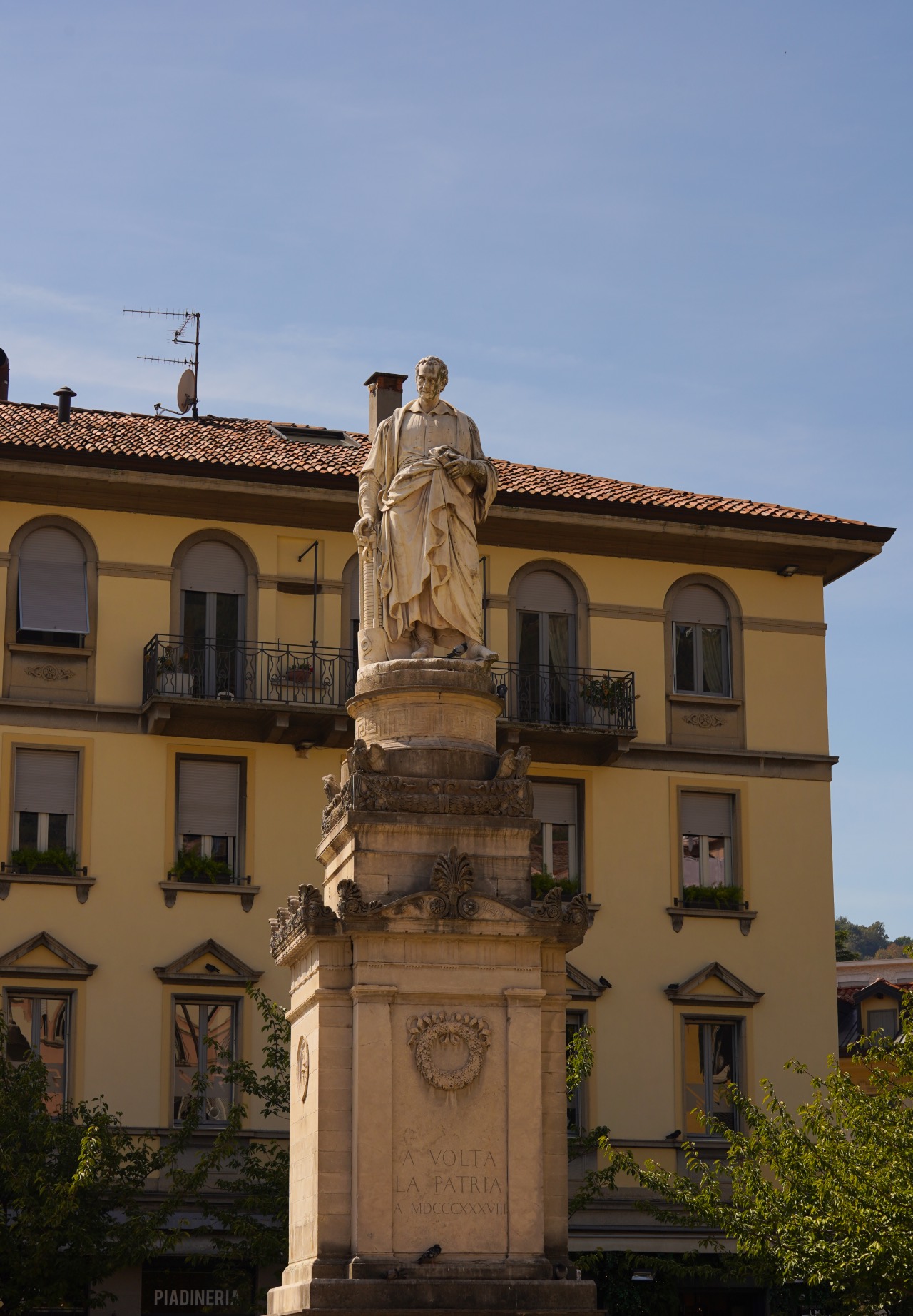
Located at the southern end of Lake Como, the city combines elegant architecture, lively piazzas and a fascinating cultural history. We began with a walk through the historic centre, discovering its atmosphere and learning more about one of its most celebrated former residents: Alessandro Volta.
Born in Como in 1745, the physicist is widely recognised for inventing the electric battery. Piazza Volta, named in his honour, is a reminder that this beautiful lakeside destination also played a role in the history of scientific innovation. For first-time visitors, the Cathedral of Como, the historic centre and the waterfront are essential stops. But rather than spending our entire stay around the lake's most internationally recognised destinations, our itinerary took us further north.
Gravedona: Where Lake Como Slows Down
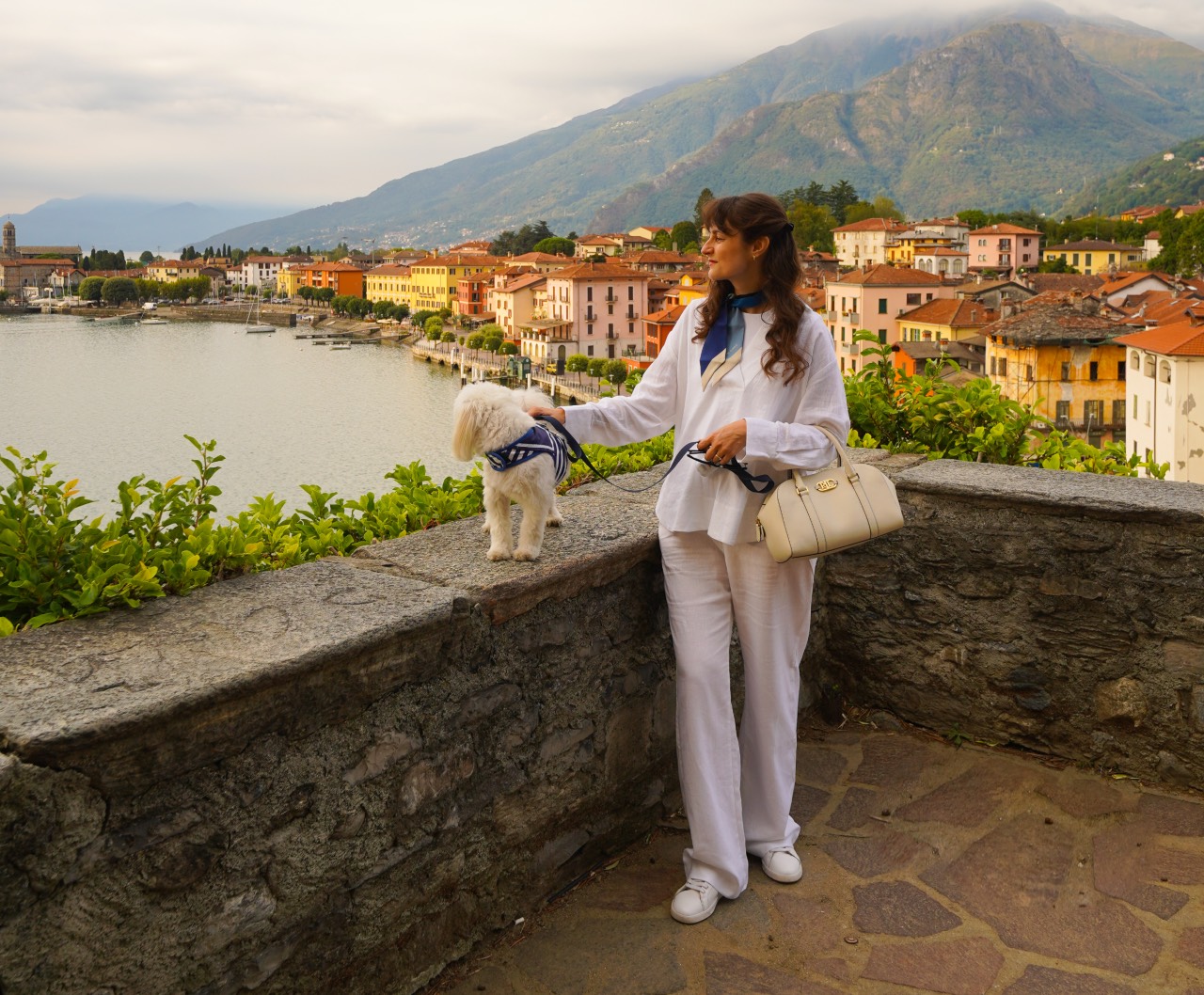
Our next stop that very day was Gravedona, on the western shore of the upper lake. Here, the atmosphere changes. The crowds become less prominent, the streets feel quieter and the relationship between the village and the lake becomes particularly apparent. Start exploing the historic centre, with its narrow streets and architectural details, before enjoying the beautiful waterfront ! One of Gravedona's most important monuments is Santa Maria del Tiglio, a remarkable Romanesque church situated close to the lake. Its distinctive architecture and centuries of history make it well worth visiting, particularly for those interested in discovering Lake Como's lesser-known cultural heritage.
Among our discoveries was Palazzo Gallio, an imposing Renaissance residence commissioned by Cardinal Tolomeo Gallio in 1586. Once an influential figure at the papal court and Secretary of State to Pope Gregory XIII, the cardinal acquired the territory known as the Tre Pievi, comprising Gravedona, Sorico and Dongo. Built on the remains of an ancient castle, the palazzo immediately stands out for its four corner towers, elegant loggias and commanding position overlooking Lake Como. For Willy, meanwhile, the lakeside promenades offered an entirely different kind of attraction: new scents, plenty of interesting corners and the occasional opportunity to stop and admire the view or at least pretend to.
Dog Dolce Vita tip: Gravedona is particularly enjoyable for leisurely walks with a dog. The waterfront and historic streets are ideal for exploring at your own pace, while access to churches and other interiors should be checked individually.
Day 2 - Domaso, Piona Abbey and the Wine Traditions of Upper Lake Como
Route: Gravedona → Domaso → Piona → Gravedona
If the first day introduced us to Lake Como's architectural beauty, the second revealed its agricultural heritage.We began with a short boat journey from Gravedona to Domaso, another village on the lake's northern shores.From the waterfront, we made our way uphill towards the vineyards overlooking the water.
Discovering Heroic Viticulture in Domaso
Wine may not be the first thing that comes to mind when thinking about Lake Como, but the surrounding hills have a winemaking history that deserves attention.
During a visit to Sorsasso, we discovered how challenging wine production can be on the steep slopes overlooking the lake. This demanding form of cultivation is often described as heroic viticulture, a term associated with vineyards where difficult terrain makes much of the work particularly labour-intensive. There, we enjoyed a tasting of locally produced wines accompanied by regional specialities.
A memorable experience , where we could better understand the relationship between the landscape, the climate and the people who continue these traditions.The views over Lake Como were, of course, an additional pleasure.
For anyone interested in wine tourism, I would highly recommend looking beyond the region's better-known attractions and exploring its smaller vineyards.
Dog Dolce Vita tip: Winery visits can be possible with a dog, but always arrange this beforehand. Outdoor vineyard areas and indoor tasting spaces may have different policies, particularly where food production is involved.
Piona Abbey: A Peaceful Escape
After Domaso, we continued by boat towards Piona Abbey, situated on a beautiful peninsula near Colico.The setting alone makes it worth the journey. Surrounded by greenery and overlooking the water, the abbey offers a remarkable sense of tranquillity.Its history stretches back to the early medieval period, while the Romanesque church and 13th-century cloister reveal centuries of religious and architectural heritage.It is one of those places where the beauty lies as much in the atmosphere as in the monuments themselves.A visit here feels like an invitation to slow down and appreciate a quieter side of Lake Como.We later returned to Gravedona, completing a day that had combined lake travel, vineyards, history and local gastronomy.
Worth knowing: Piona remains a religious site. Respect the peaceful environment and confirm the rules concerning pets before entering enclosed areas.
Day 3 - Bellano, the Orrido Gorge and Willy's First Boat Adventure
Route: Gravedona → Bellano → Brianza
Our third day brought us to the eastern shore of Lake Como and one of the most surprising natural attractions of the itinerary.
Orrido di Bellano: The Dramatic Side of Lake Como
Bellano is a picturesque village situated between the mountains and the lake. Its narrow streets, colourful buildings and waterfront create a charming setting, but the village is also home to something considerably more dramatic. The Orrido di Bellano is a spectacular natural gorge carved by the Pioverna stream over thousands of years. A network of walkways allows visitors to discover the narrow rock formations and powerful waterfalls from remarkably close range. The sound of the water, the dramatic setting and the contrast with the peaceful lake outside make this an experience unlike anything else we encountered during our stay. Beyond the gorge, Bellano's historic centre is worth exploring for its architecture and cultural heritage. The town also has an interesting connection to the arts, particularly through the legacy of Giovanni Testori and its local cultural institutions.
Dog Dolce Vita tip: The Orrido's walkways can be narrow, wet and noisy. Pet admission should be confirmed directly with the attraction, and the experience may not suit dogs uncomfortable with loud water or confined spaces.
Lake Como from the Water
One of the highlights of our Lombardy journey came later that afternoon, when we embarked on a private boat excursion. And this time, Willy was coming too ! It was his first boat ride, which naturally made the experience even more memorable. From the water, Lake Como reveals a completely different personality.
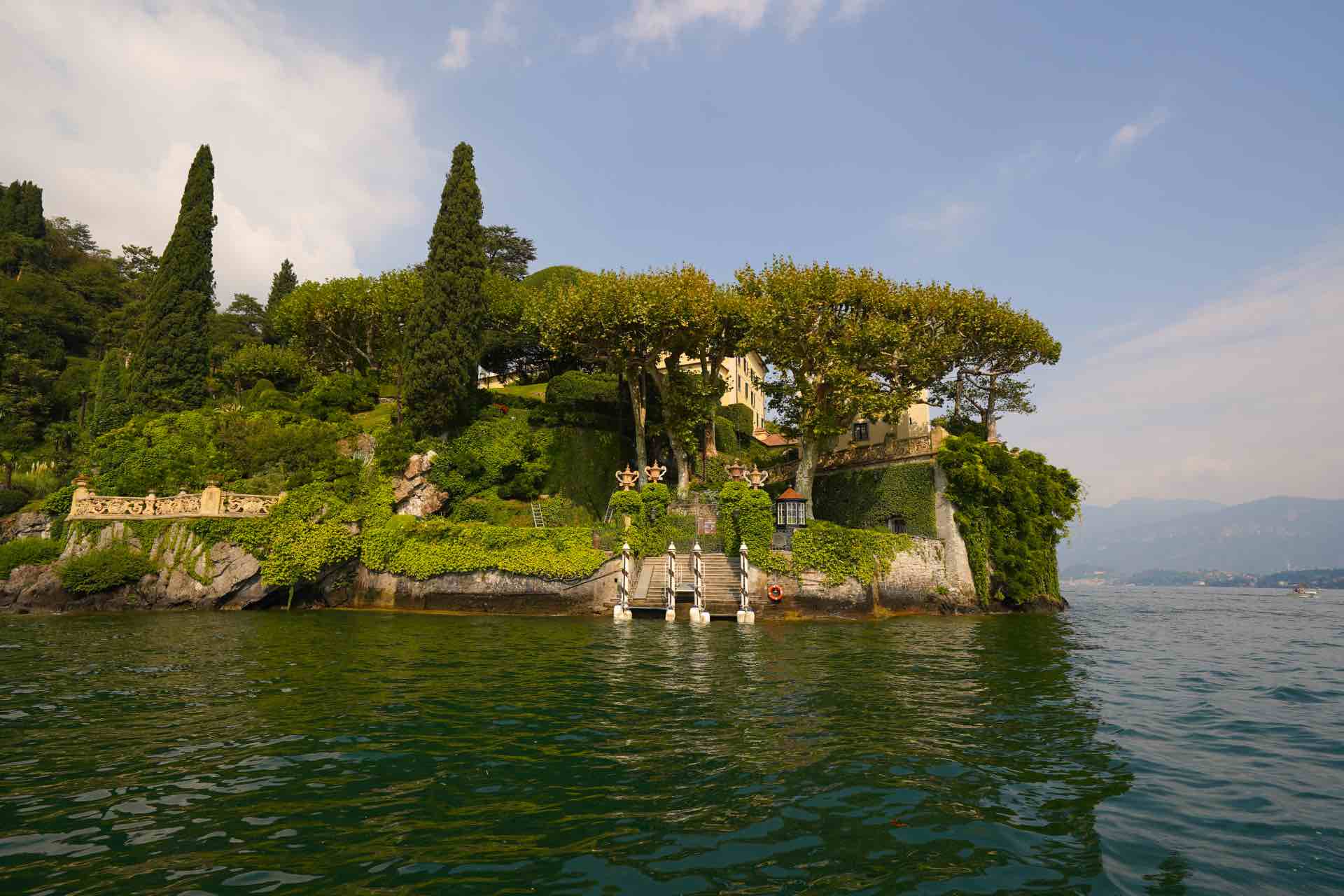
The villages appear nestled between the mountains, the architecture blends into the landscape and the surrounding scenery takes on an almost cinematic quality. There is something special about seeing a destination from a different perspective, particularly one as visually remarkable as Lake Como. For anyone planning a similar trip, I would strongly recommend including at least one boat excursion, whether by public ferry or private boat. If travelling with a dog, check the operator's pet policy in advance, including any requirements concerning leads, muzzles or carriers.
A Final Stop in Brianza
After Bellano, we continued towards the Brianza area, where the landscape gradually shifted from lakeside villages to greener countryside. Our overnight stop near Merone brought us close to the historic Baggero Mill area, associated with the region's traditional use of waterways and milling. It was a lovely transition between two very different parts of northern Italy.
Day 4 - Parma: Renaissance Theatres, Medieval Architecture and Gastronomic Heritage
Route: Brianza → Parma → Modena
Leaving Lombardy behind, we continued south towards Emilia-Romagna. Our first destination was Parma, a city that beautifully combines art, architecture, opera and gastronomy. Recognised as a UNESCO Creative City of Gastronomy, Parma is internationally associated with some of Italy's most celebrated food products. But its cultural heritage is equally remarkable! We began with a tasting in a historic cellar and lunch in the city centre, before exploring Parma's architectural treasures with a local guide.
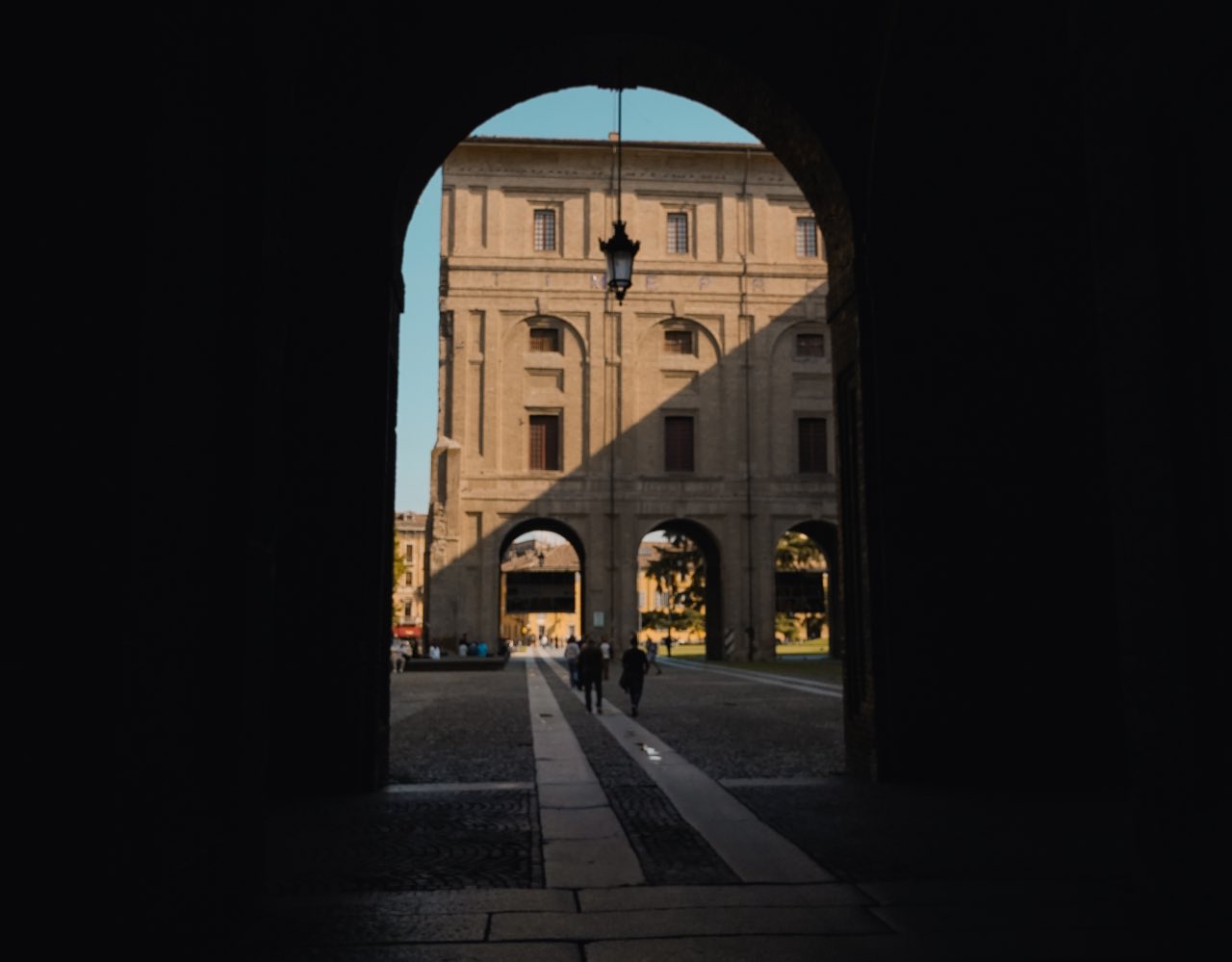
Palazzo della Pilotta and Teatro Farnese
One of our first major stops was Palazzo della Pilotta, a monumental complex that houses some of Parma's most important cultural institutions.Inside is the extraordinary Teatro Farnese.
Commissioned in the early 17th century by Ranuccio I Farnese, the theatre is a spectacular example of court architecture. Much of its grandeur was achieved through wood, plaster and painted surfaces designed to create the impression of luxurious materials. Inaugurated in 1628 for the wedding celebrations of Odoardo Farnese and Margherita de' Medici, it was conceived for elaborate court performances. The theatre was even designed to accommodate spectacular productions involving water.Standing inside, surrounded by its monumental wooden architecture, it is difficult not to imagine the extraordinary performances that once took place here.
Teatro Regio: Parma's Operatic Elegance
Another highlight was Teatro Regio, commissioned by Marie Louise of Austria, Napoleon's second wife and later Duchess of Parma. Inaugurated in 1829, the theatre is one of the city's most celebrated cultural landmarks. Its elegant auditorium, gilded details and rich red interiors reflect Parma's longstanding relationship with opera.Even without attending a performance, discovering the theatre's architecture is a memorable experience.
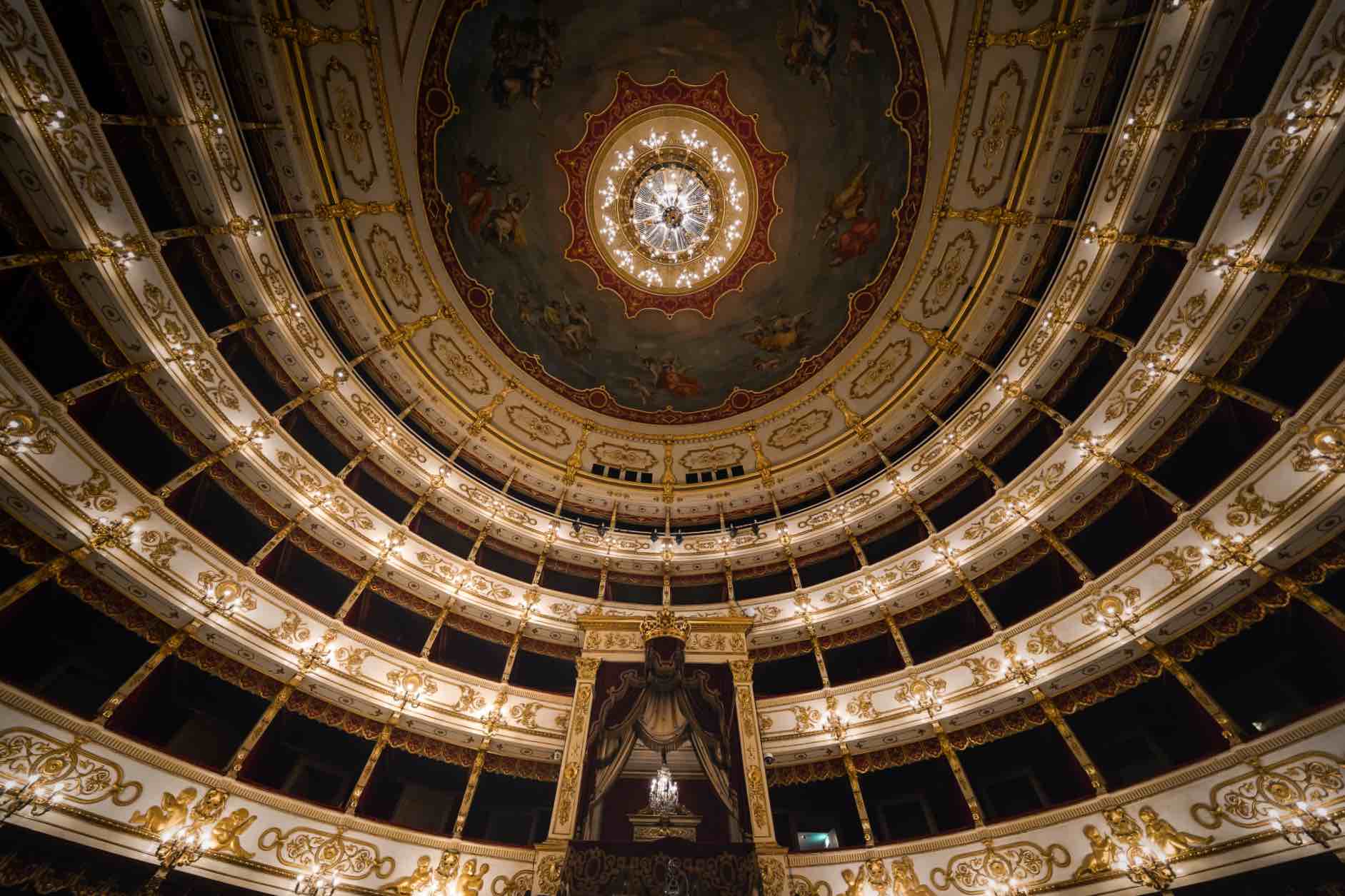
Piazza Duomo: A Thousand Years of History
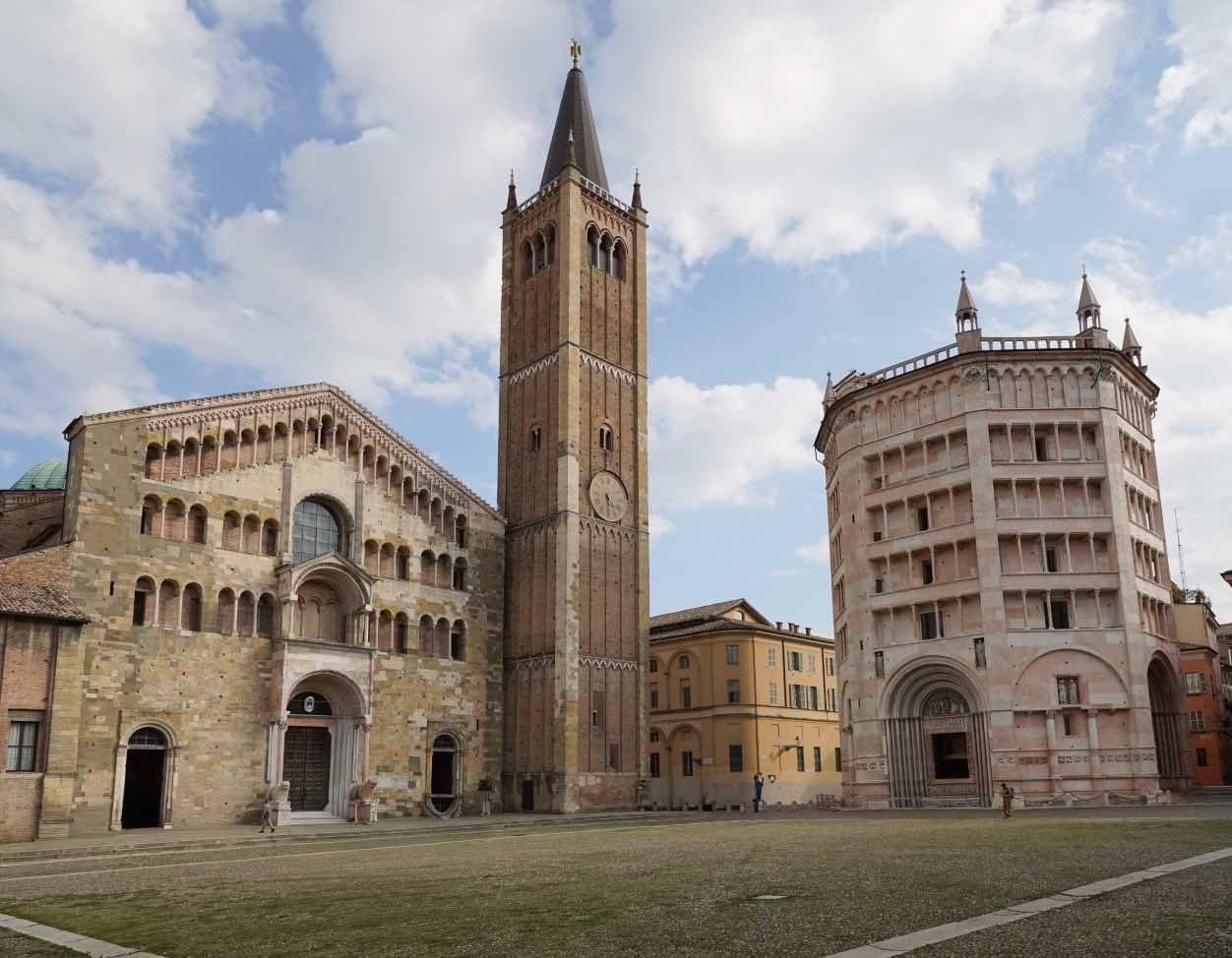
Our walk also took us to Piazza Duomo, home to Parma Cathedral and the Baptistery.The Cathedral, consecrated in 1106, is a magnificent example of Romanesque architecture. Inside, Correggio's extraordinary fresco of the Assumption of the Virgin transforms the dome into an impressive Renaissance masterpiece.
Nearby stands the Baptistery, begun in 1196 under the direction of Benedetto Antelami.Its octagonal form and pink Verona marble make it one of the city's most distinctive monuments.The building also illustrates the transition between Romanesque and Gothic architecture.
The Gastronomic Identity of Parma
Of course, discovering Parma also means understanding its extraordinary culinary heritage.Parmigiano Reggiano, Prosciutto di Parma and Culatello di Zibello are among the products most closely associated with the territory. But what makes them particularly interesting is the relationship between food, local knowledge and tradition.
Here, gastronomy is an integral part of the region's cultural identity, shaped by production methods and craftsmanship passed down through generations.For visitors, I would recommend allowing enough time to enjoy a proper meal, discover local specialities and explore the historic centre rather than rushing from one monument to another.
Dog Dolce Vita tip: Parma's historic centre is lovely to explore on foot with a dog. However, important cultural sites such as theatres and museums may restrict pet access. If you are travelling as a couple, consider alternating indoor visits or arranging suitable care for your dog rather than assuming a carrier guarantees admission.
By late afternoon, we were on the road again, heading towards Modena.
Day 5 - Modena: UNESCO Heritage, Local Markets and the Birthplace of a Legend
Route: Modena historic centre → Museo Enzo Ferrari
Modena has a fascinating ability to bring together seemingly different worlds.Its historic centre is filled with medieval architecture and beautiful piazzas, while its surroundings are associated with some of Italy's most important gastronomic and automotive traditions.We began the day exploring the city on foot.
Piazza Grande, Modena Cathedral and the Ghirlandina
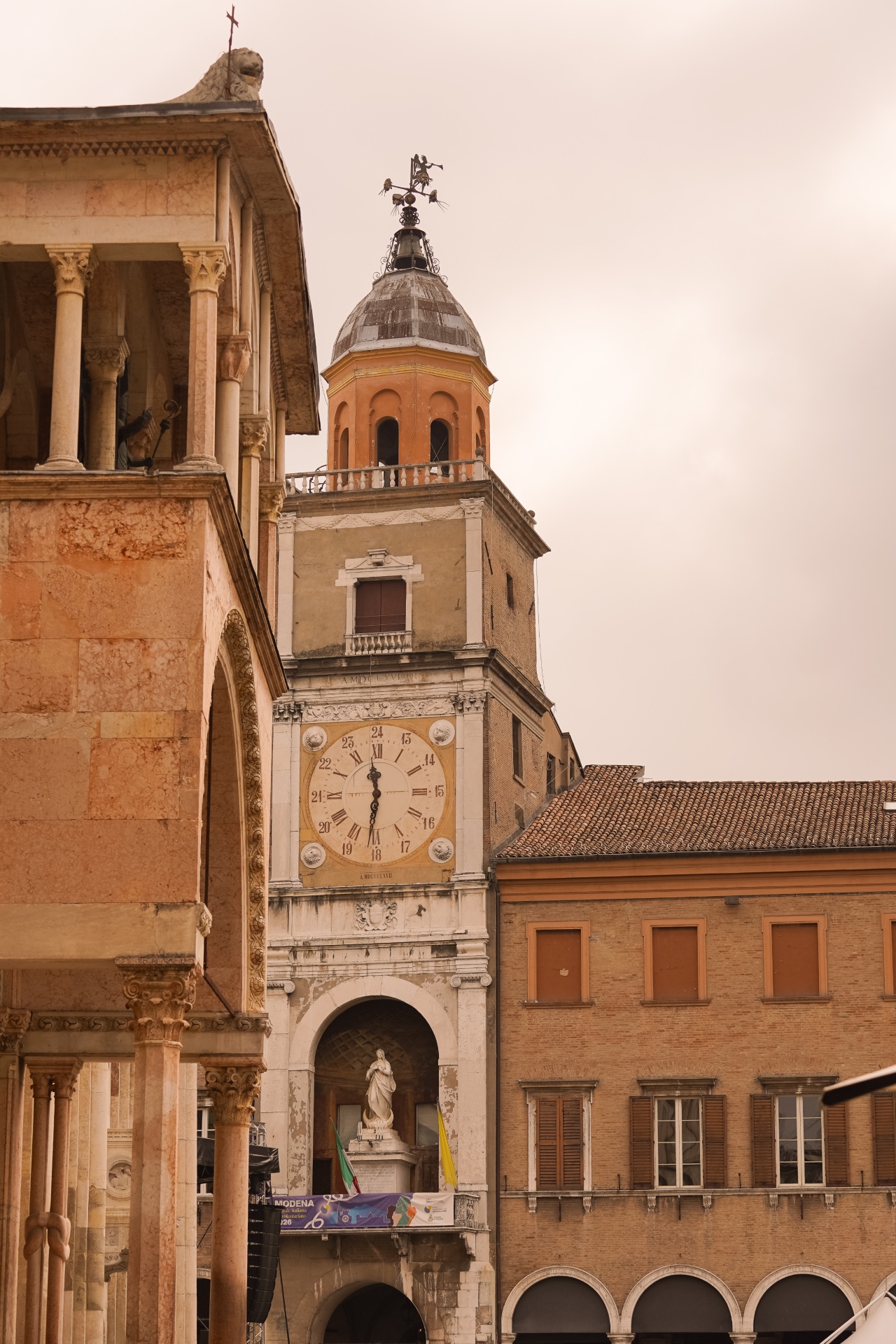
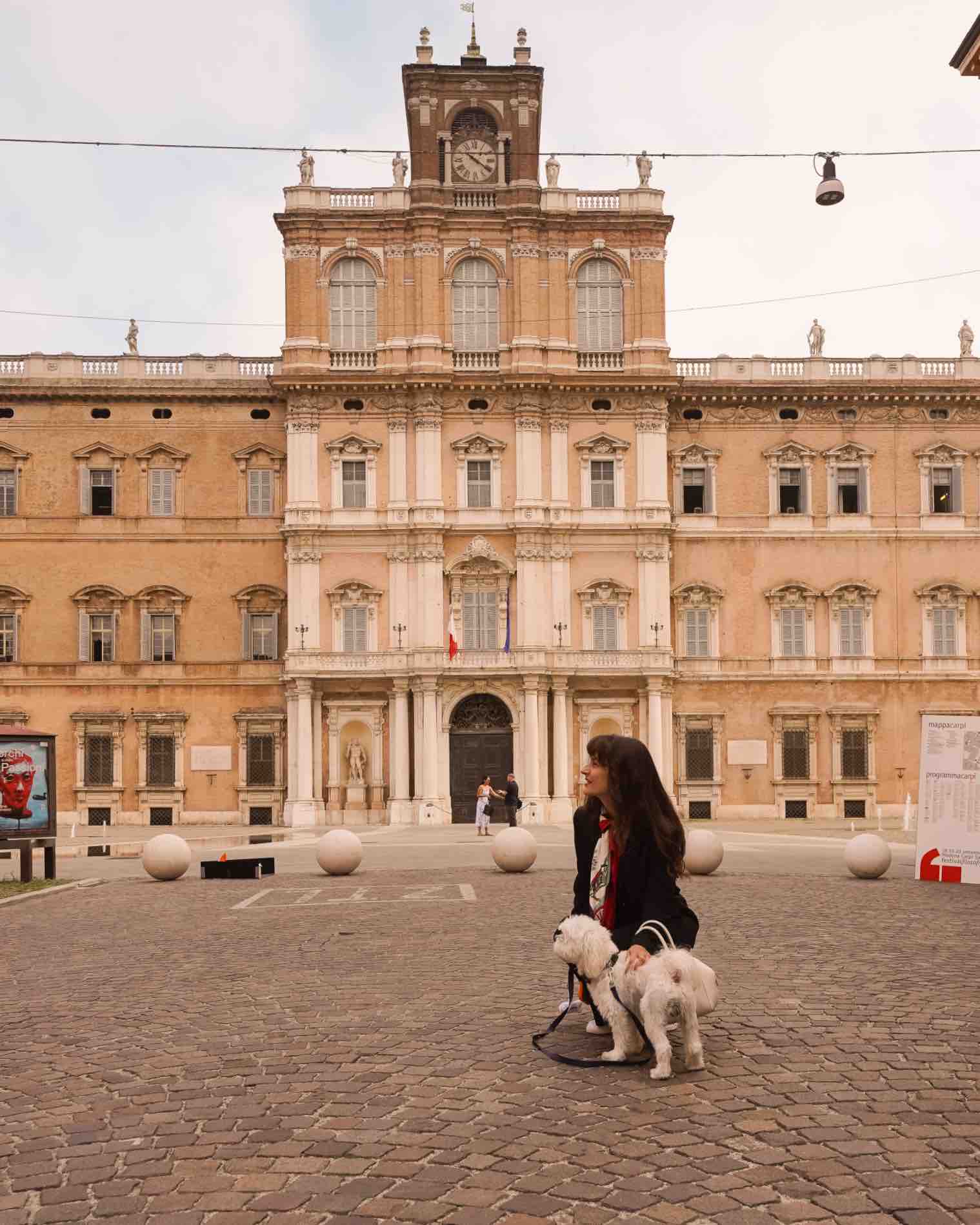
At the heart of Modena lies Piazza Grande, together with the Cathedral and Ghirlandina bell tower. This remarkable ensemble has been recognised as a UNESCO World Heritage Site since 1997. The Cathedral, begun in 1099, is one of Europe's outstanding examples of Romanesque architecture. The Ghirlandina, standing approximately 89 metres tall, has played an important role in the city's religious and civic history. We also discovered Piazza Roma and the impressive Palazzo Ducale, built as a residence of the Este dynasty and now home to the Italian Military Academy.Walking through Modena is an experience in itself, with historic streets, elegant façades and architectural details revealing the city's long history.
Mercato Albinelli: The Flavours of Modena
One of the most enjoyable stops was Mercato Albinelli, Modena's historic covered food market.Opened in 1931, the market remains an important part of local life.Here, visitors can discover fresh pasta, regional cheeses, cured meats, seasonal produce and other specialities. It is an excellent place to experience the city's gastronomic culture in a setting that feels lively and authentic.And if there is one thing I particularly enjoy about Italian markets, it is how naturally food becomes part of everyday conversation and community life.
Luciano Pavarotti: Modena's Musical Legacy
During our walk, we also encountered a tribute to Luciano Pavarotti.Born in Modena in 1935, the legendary tenor became one of the world's most celebrated operatic voices. His connection to the city is another reminder that Modena's cultural identity extends well beyond its culinary and automotive reputation.
Museo Enzo Ferrari: Discovering Motor Valley
The afternoon introduced us to a completely different side of Modena.At the Museo Enzo Ferrari, we explored the history of the man whose passion for motorsport helped create one of the most recognisable automotive names in the world. The museum complex includes the house where Enzo Ferrari was born in 1898, alongside a striking contemporary exhibition building. During our visit, an exhibition explored the relationship between music legends and their Ferraris, bringing together automotive history and popular culture.Having experienced Ferrari from behind the wheel during an earlier press trip, I particularly enjoyed discovering the historical context behind the marque.And that is what makes Motor Valley so fascinating.Ferrari and Maserati may be global names, but learning about their history in Modena brings you back to the territory that shaped them.Ferrari is actually preparing to celebrate its 80th anniversary in 2027, marking eight decades since Enzo Ferrari founded the marque in 1947, there could hardly be a more fitting time to discover its origins in Modena.
Dog Dolce Vita tip: A visit to Modena's historic centre is easy to combine with outdoor walks. For automotive museums, however, confirm current pet policies directly and plan indoor visits separately if necessary.
Day 6 – Modena's Motor Valley, Traditional Balsamic Vinegar and Lambrusco
Route: Modena → historic Maserati collection → Castelvetro area → Nonantola → Modena
Our final full day in Emilia-Romagna was dedicated to three of the region's most fascinating traditions: automotive heritage, balsamic vinegar and wine.
The Umberto Panini Maserati Collection
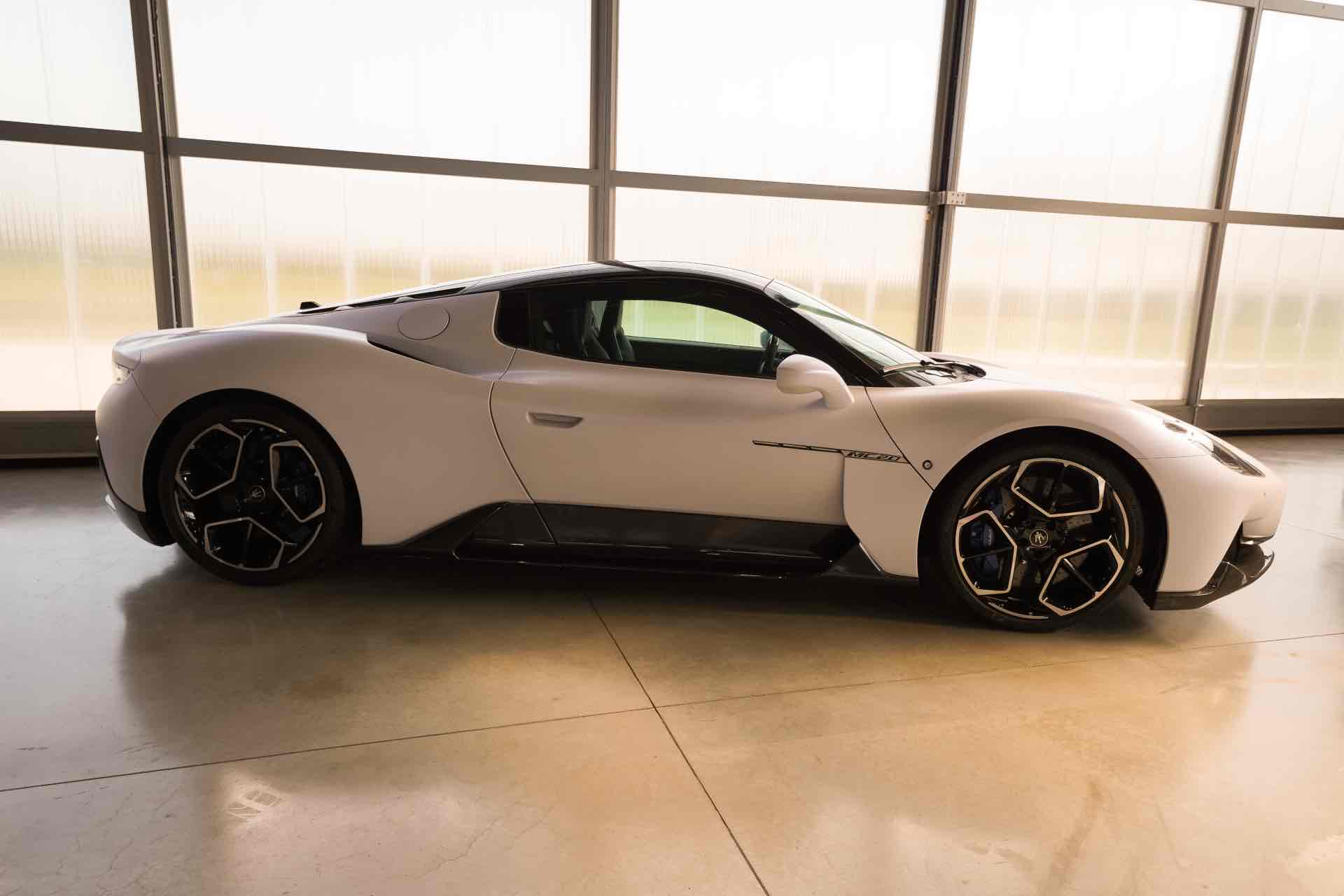
We began with a visit to the historic Maserati collection assembled by Umberto Panini.The collection brings together remarkable examples of Italian automotive engineering and design, documenting different chapters of Maserati's history.Its preservation is itself an important story.In the 1990s, Umberto Panini acquired a significant collection of historic Maseratis that had been destined for sale, helping keep this automotive heritage in the Modena area.For anyone interested in design, craftsmanship or automotive history, the museum offers an extraordinary opportunity to discover another side of Motor Valley.
The Modena Hills: Discovering Traditional Balsamic Vinegar
From the automotive world, we continued into the countryside surrounding Modena.Our next stop took us towards the hills near Castelvetro, where we visited an acetaia and learned more about the production of traditional balsamic vinegar. This was one of the experiences that best illustrated the importance of time in Italian craftsmanship.Aceto Balsamico Tradizionale di Modena DOP is made from cooked grape must and aged in wooden barrels for a minimum of 12 years. The Extravecchio designation requires at least 25 years of ageing.Different woods, careful transfers between barrels and years of patient work contribute to a product whose identity is deeply connected to the territory. It is important to distinguish this traditional DOP product from Aceto Balsamico di Modena IGP, which follows different production rules.
We also discovered the history of balsamic vinegar through a tasting associated with the longstanding Giusti tradition, whose documented origins date back to 1605.What fascinated me most was the idea that, in a world increasingly focused on speed, some of the most valued products still depend on patience.After our visit, we enjoyed lunch in the Modena countryside, surrounded by the landscapes that make this part of Emilia-Romagna so appealing.
Dog Dolce Vita tip: Acetaia visits require particular planning with pets because food-production areas may have hygiene restrictions. Willy needed his carrier for part of our countryside programme, and arrangements were confirmed beforehand. And, please take into consideration that dogs are quite sensitive to the acid smell of balsamic vinegar.
Lambrusco: The Sparkling Soul of Emilia
Our final gastronomic discovery was Lambrusco.Closely associated with Emilia-Romagna, this sparkling red wine is an important part of the region's winemaking identity.During a visit to a winery in the Nonantola area, we discovered the local wine tradition and a remarkable private collection of historical objects and motorsport memorabilia.The family's connections to the world of motorsport, including its association with Gilles Villeneuve, created an unexpected link between winemaking and automotive history.And perhaps that was one of the most interesting discoveries of the entire journey.In Emilia-Romagna, Food Valley and Motor Valley are not entirely separate worlds.They are connected through the same territory, generations of craftsmanship and a shared appreciation for tradition and innovation.
Day 7 - The Journey Home, and a Few Lessons from Willy
After almost a week of exploring Lombardy and Emilia-Romagna, it was time to begin our return journey.Travelling with Willy had added a completely different dimension to the experience.It encouraged us to pay attention to the practical details of each destination, from accessible outdoor spaces and accommodation arrangements to the rules governing cultural attractions and food-production visits.But it also made us appreciate the simple pleasures of travelling together.A quiet walk along Lake Como. An afternoon exploring the streets of Modena. A peaceful moment in the countryside. Or simply watching Willy discover another new place with his usual curiosity.
It was a reminder that travelling with a dog does not necessarily mean giving up cultural experiences or beautiful destinations.It simply means planning them a little differently.
Practical Guide: How to Recreate Our Dog-Friendly Italy Road Trip
How long should you stay?
Our journey covered seven calendar days and six nights, divided between Lombardy and Emilia-Romagna.For a similar itinerary, I would recommend three nights around Lake Como and three nights in the Parma–Modena area.This provides enough time to enjoy the principal highlights while allowing for scenic stops, guided visits and gastronomic experiences.
Is a car necessary?
For this particular itinerary, travelling by car offered considerable flexibility.It allowed us to explore the northern shores of Lake Como, move between smaller villages and reach the countryside around Modena.An electric car also made the journey practical for us, although charging stops should always be planned in advance.Once in Parma or Modena, I would recommend exploring the historic centres on foot.
What documents does your dog need?
For journeys between EU countries, dogs generally require an EU pet passport, microchip identification and a valid rabies vaccination.Always verify the latest requirements before travelling, particularly if your journey begins outside the European Union.
Can dogs visit museums, wineries and historic monuments?
Not automatically.Some attractions permit dogs under specific conditions, while others restrict access for conservation, safety or hygiene reasons.A carrier can be useful, especially for smaller dogs, but it does not guarantee admission.Contact each attraction before visiting, particularly when planning museums, religious sites, wineries or food-production tours.
Can dogs travel on Lake Como's boats?
Pet policies vary according to the operator and type of service.We enjoyed a private boat excursion with Willy, but visitors planning to use public transport or book a private boat should check the applicable rules before travelling. However, the public transport boats we used were dog friendly.
When is the best time to visit?
September was a wonderful time for our journey.The landscapes were still beautifully green, the weather allowed us to enjoy outdoor activities and the approach of autumn added another dimension to the region's gastronomic and winemaking traditions.Spring and early autumn are particularly appealing periods to consider for an itinerary involving historic cities, vineyards and outdoor exploration.
Final Thoughts: The Italian Art of Living, Four Paws Included
Looking back, what made this journey particularly memorable was not simply the number of places we visited.It was the diversity of experiences within two neighbouring regions.In Lombardy, we discovered another side of Lake Como, beyond its most famous landmarks: historic villages, steep vineyards, religious heritage and landscapes best appreciated from the water.In Emilia-Romagna, we explored a territory where art, opera, gastronomy, automotive history and craftsmanship form an extraordinary cultural identity.And throughout it all, Willy was there, reminding us that sometimes the best way to experience a destination is to slow down and appreciate the journey itself.Because la dolce vita is not necessarily about luxury in its most obvious form.Sometimes, it is a beautiful landscape, a memorable conversation, a glass of local wine, a centuries-old tradition or the pleasure of discovering somewhere new with those you love.Even when one of them happens to have four paws.
Dog Dolce Vita, indeed. 🐾🇮🇹
Further Information
For more inspiration and practical information about the destinations featured in our Italian road trip, visit the official Italian tourism portal.
Lombardy – Lake Como: Lake Como: Nature and Fascination
Emilia-Romagna: Discover Emilia-Romagna