 French
 German
 Italy
 Spain
 Mexico
 Portugal
 Brazil
 Argentina
 Poland
 Rusia
 Austria
 Arabic
 Ecuador
 Canada
 Norway
 Benin
 Sweden
 Croatia
 Japan
 Korean
Experience four-star elegance and service

Romeo and Juliet at La Monnaie : Opera
Romeo and Juliet at La Monnaie : Opera
Gounod’s timeless opera returns to La Monnaie in a moving celebration of love, lyrical beauty and tragic fate.
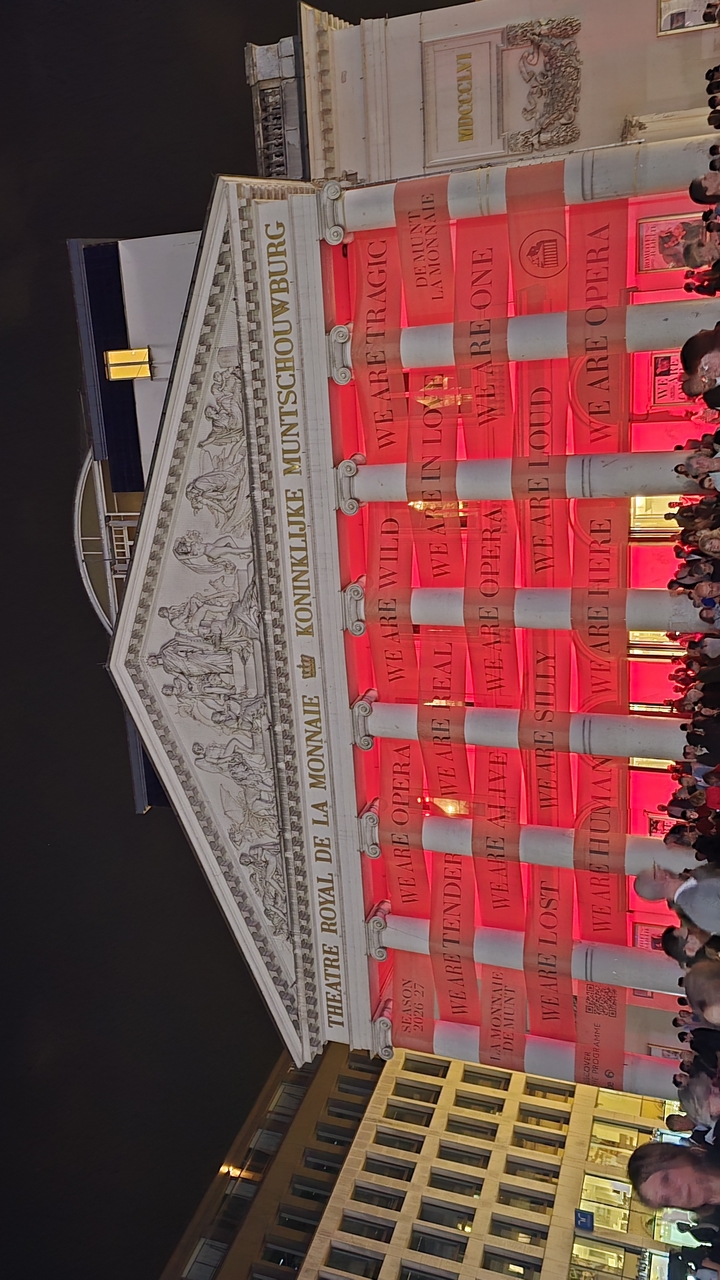
In Brussels, Charles Gounod’s celebrated opera rediscovers its romantic power in a production that brings together lyrical beauty, visual poetry and dramatic intensity.Some stories transcend centuries without ever losing their brilliance. William Shakespeare’s Romeo and Juliet is one of them. At La Monnaie in Brussels, the timeless tragedy takes on a new dimension through Charles Gounod’s operatic adaptation, presented as part of the opening of the 2026–2027 season. It is a work in which music lends extraordinary depth to love, passion and the inevitability of fate.First performed in Paris in 1867, Roméo et Juliette remains one of the defining works of the French operatic repertoire. Gounod explores the nuances of a love that is as immediate as it is impossible, caught in the grip of a family feud from which neither protagonist can escape. The ending may be familiar, yet its emotional power remains undiminished. That is the enduring achievement of this opera: for the duration of a performance, we are invited to forget that the lovers’ fate has already been sealed.
A score shaped by emotion
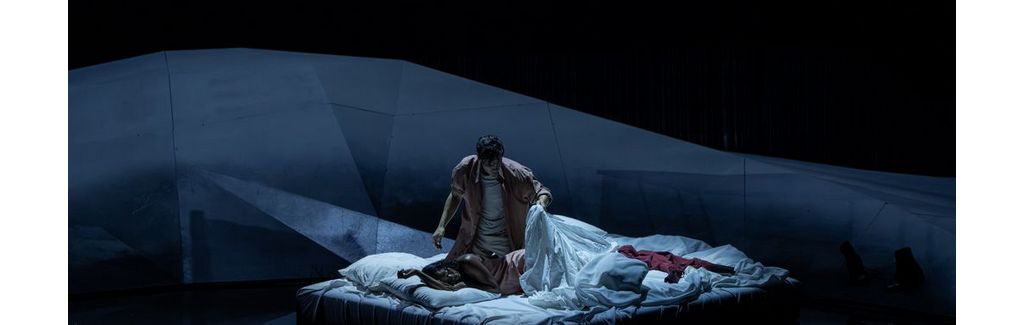
Under the musical direction of Valentina Peleggi, the La Monnaie Symphony Orchestra accompanies the many dimensions of the story, moving between the energy of the ensemble scenes and the intimacy of the lovers’ encounters. Gounod’s score is distinguished by its melodic richness and striking contrasts, balancing romantic ardour with dramatic tension and moments of exquisite delicacy.This interplay between orchestral breadth and intimate expression is one of the opera’s greatest strengths. The love duets, central to the drama, give music a role that extends far beyond accompaniment. It becomes the language through which two characters, separated by everything around them, express the feeling that brings them together.The chorus also contributes to the work’s wider dramatic landscape. Set against the private world of Romeo and Juliet, it embodies a society shaped by rivalry, convention and family conflict. The contrast between the outside world and the lovers’ intimacy becomes one of the central forces driving the tragedy forward.
A visual world between grandeur and restraint
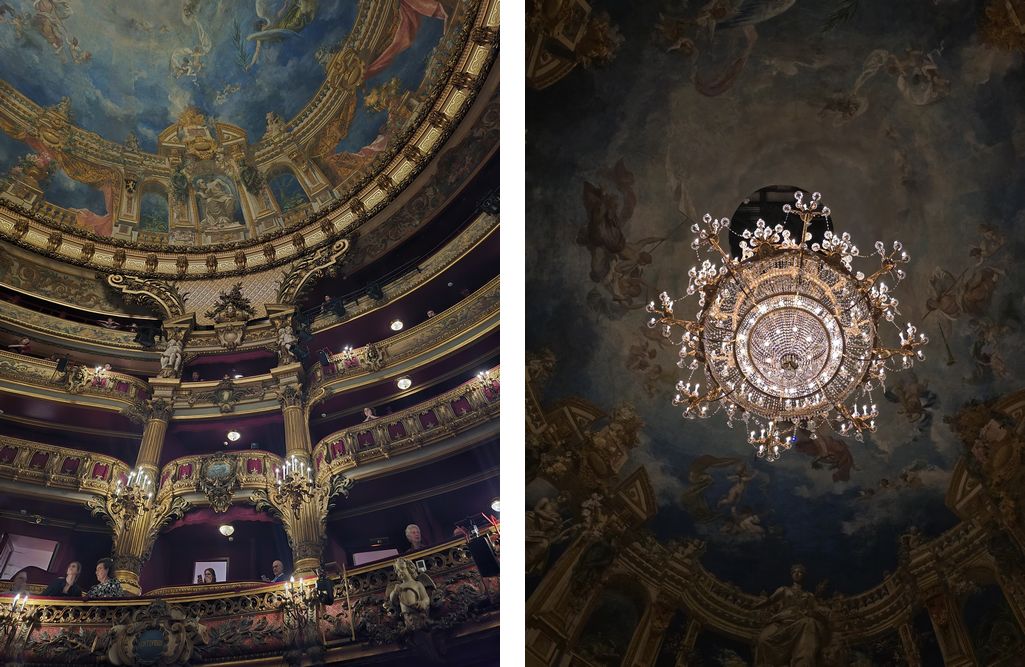
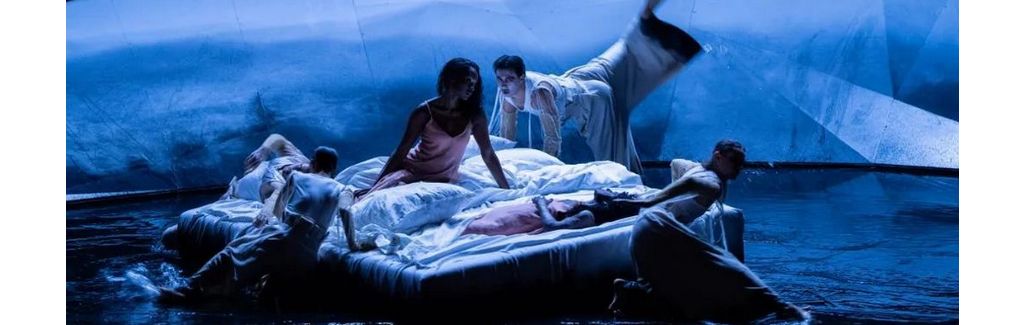
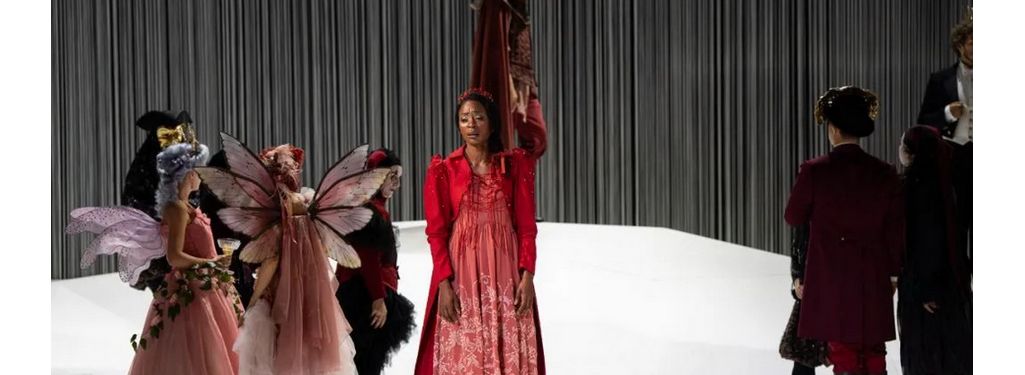
For this production, director Julia Burbach joins forces with set and costume designer Cécile Trémolières to create a visual universe that evolves alongside the narrative. The lavish atmosphere of the Capulets’ masked ball gradually gives way to more stripped-back stage pictures as the tragedy unfolds.Costumes and sets do more than evoke a particular period: they help establish the atmosphere and reflect the transformations experienced by the characters. The rich reds associated with the opening celebrations gradually give way to a more restrained palette, allowing colour, texture and space to contribute to the unfolding drama.This visual progression mirrors the shift from the promise of young love to the inevitability of tragedy. Rather than simply reproducing Shakespeare’s world, the production offers an interpretation that leaves room for the audience’s imagination.Lighting designer Fabrice Kebour complements this approach by shaping the mood and contrast of each scene. The stage becomes an emotional landscape in its own right, with light and silhouette extending the expressive language of Gounod’s music.
The enduring power of a universal story
The appeal of Romeo and Juliet lies in its ability to transcend its historical setting. Behind the rivalry between the Montagues and Capulets are themes that remain strikingly relevant: the difficulty of escaping inherited conflicts, the weight of social expectations and the vulnerability of love in a world marked by violence.Gounod’s opera draws the focus towards the inner lives of its two protagonists. Where Shakespeare develops a broader dramatic universe, music brings us closer to the lovers’ uncertainties, impulses and contradictions. The story becomes not merely a conflict between two families, but the portrait of two people confronted with a world that denies them the time to fully experience their love.It is within this tension between beauty and fate that the work finds its distinctive emotional force. The tenderness of Gounod’s melodies never entirely dispels the threat surrounding the characters; instead, it makes their vulnerability all the more poignant.
An evening shaped by Romanticism
With this production, La Monnaie revisits one of the great works of French opera, reaffirming the art form’s ability to bring music, theatre and visual artistry into conversation. The richness of the score, the scenographic approach and the emphasis on emotional expression combine to create an experience that invites both attentive listening and visual contemplation.To attend Romeo and Juliet is to return to a familiar story while rediscovering what makes it so profoundly human. Love is presented in all its beauty, but also in its fragility, confronted by forces beyond its control.A tragedy whose ending we already know, yet whose music continues to move us as though we were discovering it for the very first time.